
vintage crystal perfume bottles are not just a container for fragrance. It is a product shaped by material rarity, skilled craftsmanship, time-consuming production, and long-term preservation costs. From a manufacturer’s point of view, the higher price is not driven by nostalgia alone. It reflects real technical complexity and measurable production challenges.
At Stone Elf, we have worked with crystal, semi-precious stone, and decorative luxury packaging for many years. Through direct factory operations, raw material sourcing, mold development, polishing, and quality inspection, we clearly see why vintage-style crystal bottles require more investment than modern mass-market glass containers. In this analysis, we will break down the cost structure and manufacturing logic behind the premium pricing.
The Raw Material Factor: Crystal Is Not Standard Glass
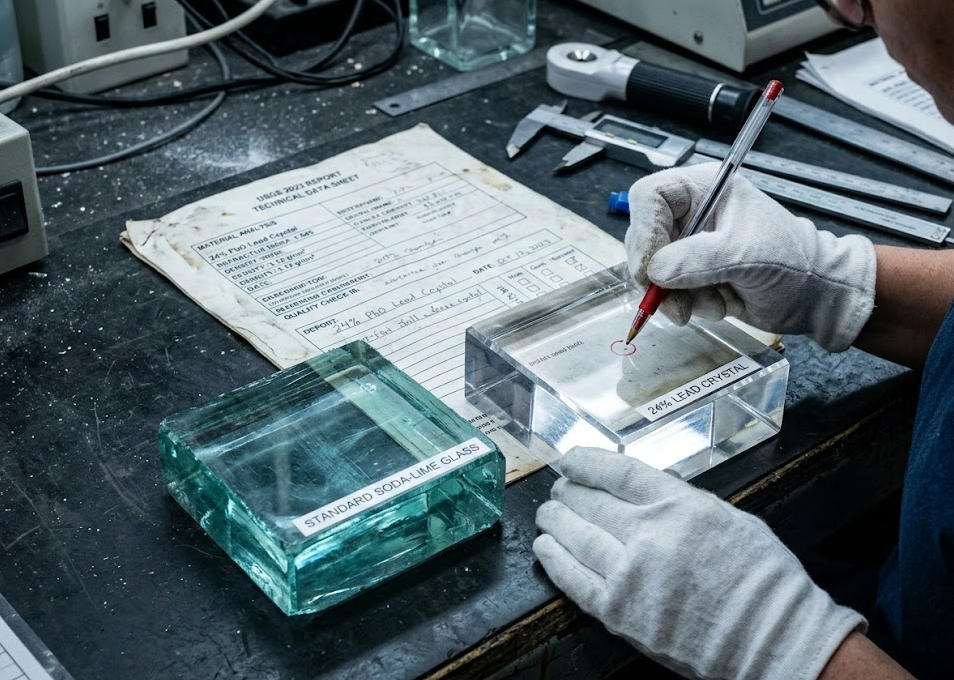
Lead Crystal vs. Standard Soda-Lime Glass
The most fundamental difference lies in material composition. Traditional crystal used in vintage perfume bottles often contains a high percentage of lead oxide. According to the European Commission’s Decision 2006/548/EC on glass classification (link), crystal glass in Europe must contain at least 24% lead oxide to be classified as full lead crystal. Lead content increases density, brilliance, and light refraction.
By comparison, modern mass-produced perfume bottles typically use soda-lime glass, which is cheaper and easier to produce. Data from the U.S. Geological Survey (USGS) 2023 report on industrial minerals (link) shows that high-purity silica sand suitable for crystal production is more expensive than general industrial-grade silica used in common glass.
From our sourcing experience, the raw material cost for crystal can be 2–3 times higher than standard glass before even entering production. Furthermore, stricter environmental controls on lead usage have increased compliance costs.
Material Purity and Selection Loss
Crystal production demands higher purity levels. Impurities cause bubbles, streaks, or weak spots. During batch melting, even small contamination can ruin an entire furnace load.
In vintage-style production, we often see raw material rejection rates of 8–12%, compared to 3–5% in standard glass production. This difference alone significantly impacts overall material efficiency.
Manufacturing Complexity: Why Craftsmanship Drives Cost
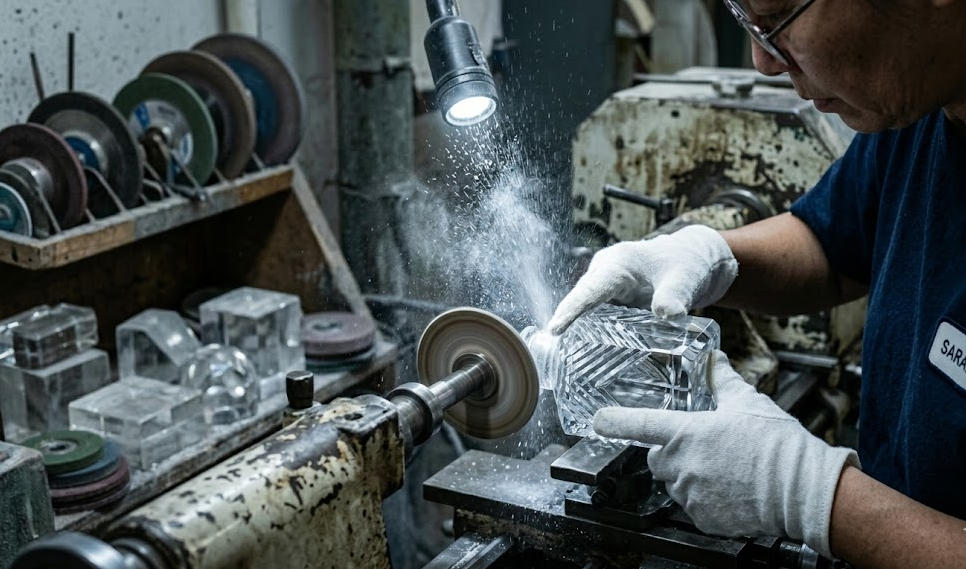
Hand-Cutting and Deep Engraving Techniques
A defining feature of many vintage crystal perfume bottles is hand-cut decoration. Deep cuts enhance light dispersion and create a prism-like effect. However, hand-cutting is slow and labor-intensive.
Historically, houses like Baccarat (link) and Lalique (link) set high artistic standards that modern manufacturers still reference. Each cut must be made manually or with semi-automatic grinding wheels. Skilled workers may complete only 10–15 detailed bottles per day.
In contrast, molded glass bottles can reach outputs of thousands per hour in automated lines.
Polishing and Surface Refinement
After cutting, crystal must be polished chemically or mechanically. Acid polishing involves hazardous chemicals and controlled processes. Mechanical polishing requires multiple stages using different abrasives.
Each polishing cycle adds both labor hours and energy consumption. Based on our internal factory data (Stone Elf, 2023), polishing alone can account for 20–25% of the total production cost for a vintage-style crystal bottle.
Production Time: Longer Cycles Mean Higher Costs
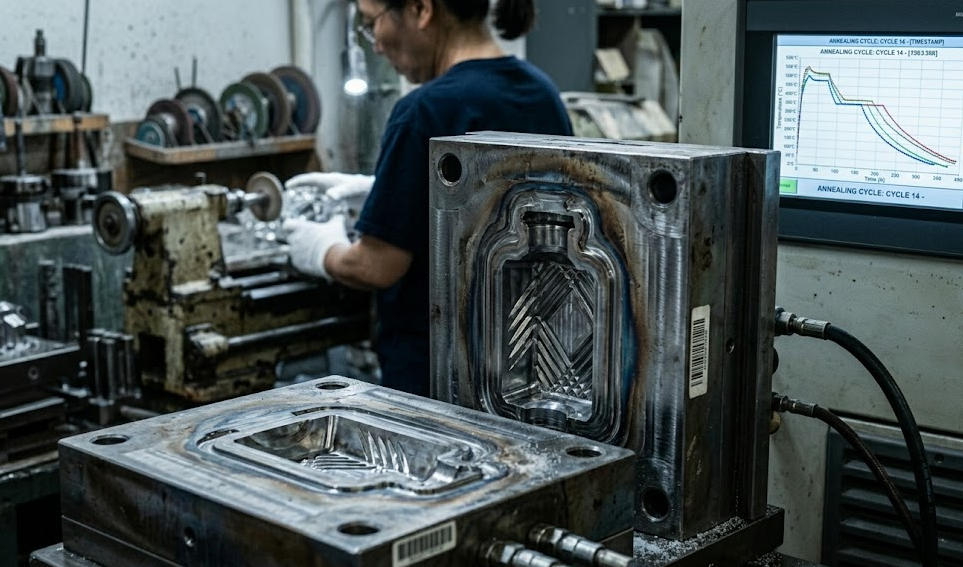
Mold Development and Custom Tooling
Vintage crystal perfume bottles often use custom molds to replicate historical silhouettes. Mold design is more complex because crystal shrinks differently than standard glass during cooling.
Tooling costs can range from $3,000 to $15,000 per mold, depending on complexity. Furthermore, crystal molds wear out faster due to higher melting temperatures.
Cooling and Annealing Time
Crystal requires slower cooling to prevent internal stress fractures. According to the Glass Packaging Institute Technical Handbook (2022 edition) (link), improper annealing increases breakage risk dramatically.
In practical terms, crystal bottles may require 30–50% longer annealing time than standard glass bottles. Longer production cycles mean lower daily output, increasing unit cost.
Labor Cost: Skilled Artisans Are Limited
Training and Experience Requirements
Producing vintage crystal bottles is not entry-level work. Workers must understand temperature control, cutting symmetry, and finishing consistency.
Training a skilled cutter can take years. As global labor markets tighten, wages for experienced artisans have steadily increased. According to 2022 International Labour Organization (ILO) statistics (link), skilled craft labor wages have grown significantly in recent years due to supply shortages.
Manual Inspection Standards
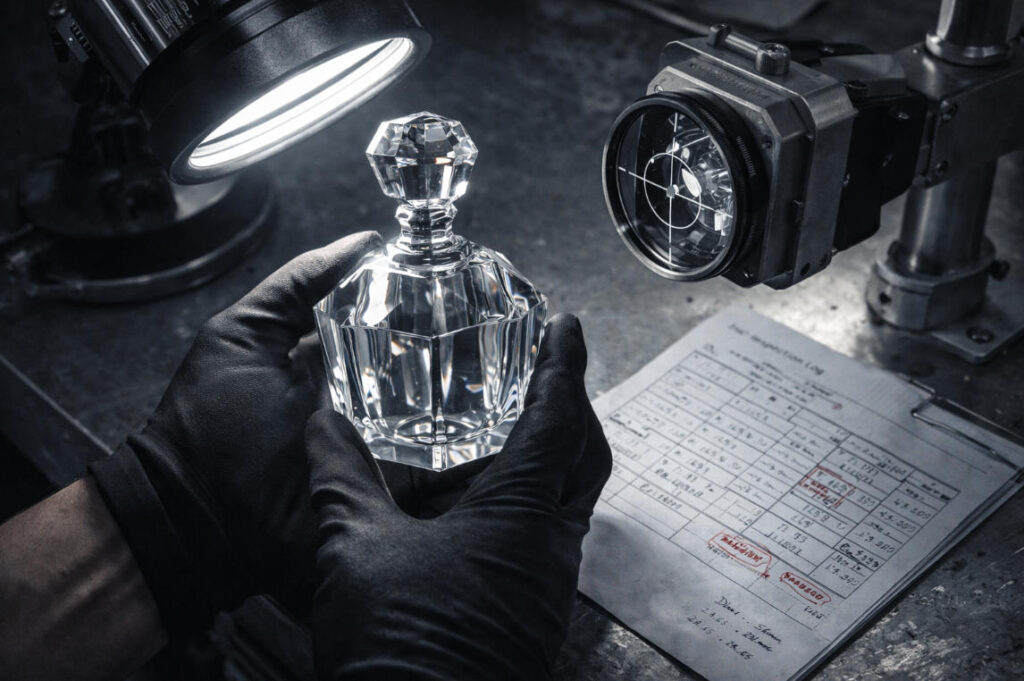
Vintage crystal bottles require strict inspection. Every bottle must be checked for clarity, symmetry, edge sharpness, and weight balance.
Inspection time per unit is often three to five times longer than that for standard perfume bottles. That inspection labor adds directly to final pricing.
Yield Loss and Breakage: The Hidden Cost
Fragility During Production
Crystal is more brittle than standard soda-lime glass. During cutting or polishing, micro-cracks may develop.
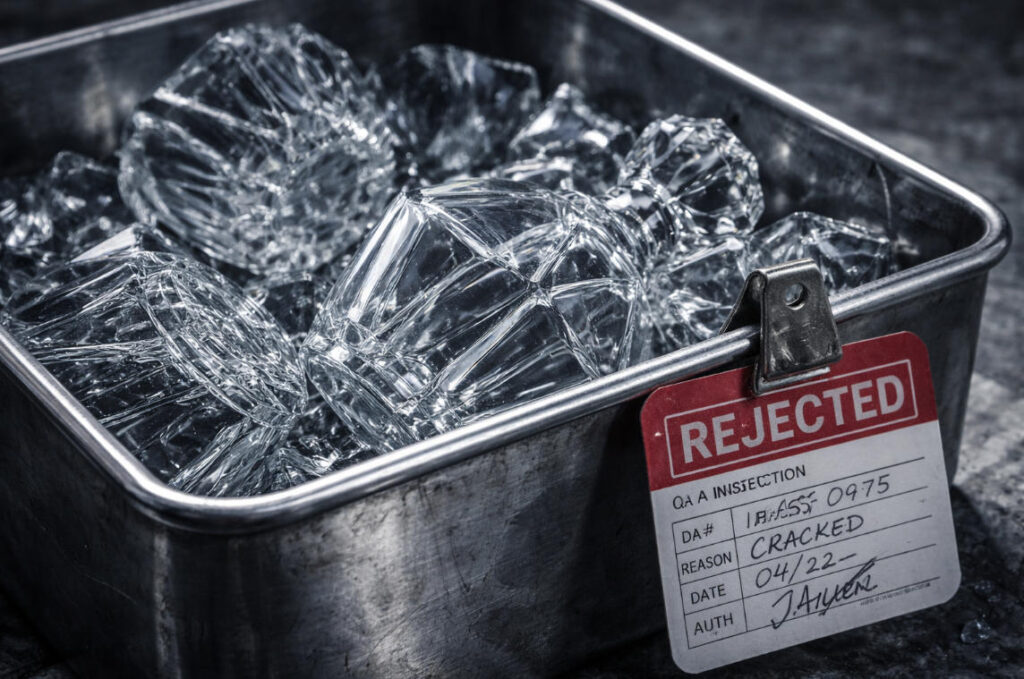
In our experience (Stone Elf 2023 internal data), total production yield for a complex vintage crystal perfume bottle can drop to 75–85%. Modern automated glass lines often achieve yields above 95%.
Post-Production Rejection
Even after finishing, bottles may be rejected due to small visual defects. Luxury clients demand perfection. Rejected pieces represent sunk cost that must be absorbed into pricing of accepted units.
Storage and Preservation Costs
Aging and Inventory Holding
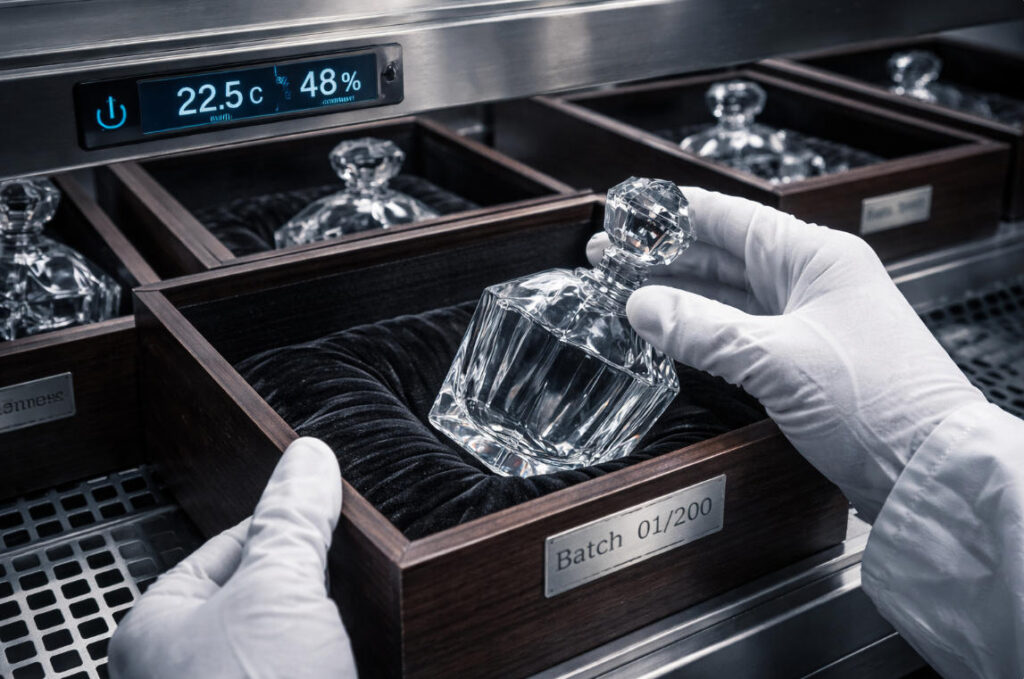
Vintage-style crystal bottles are often produced in limited batches. Limited production increases per-unit cost because fixed costs are divided across fewer pieces.
Moreover, crystal products require careful storage conditions to avoid scratching or chemical corrosion. Climate-controlled storage adds warehouse expenses.
Long-Term Value Retention
Some vintage crystal perfume bottles become collectibles. Historical brands like Cristal d’Arques (link) have seen vintage editions appreciate in value over time.
Collectors often reference auction platforms such as Sotheby’s official auction archives (link) to evaluate rarity. This collectible potential influences pricing expectations at the manufacturing stage.
Brand Heritage and Artistic Premium
Historical Brand Influence
When consumers purchase a vintage crystal perfume bottle, they often associate it with heritage craftsmanship. The influence of legacy manufacturers like Waterford (link) contributes to perceived and real market value.
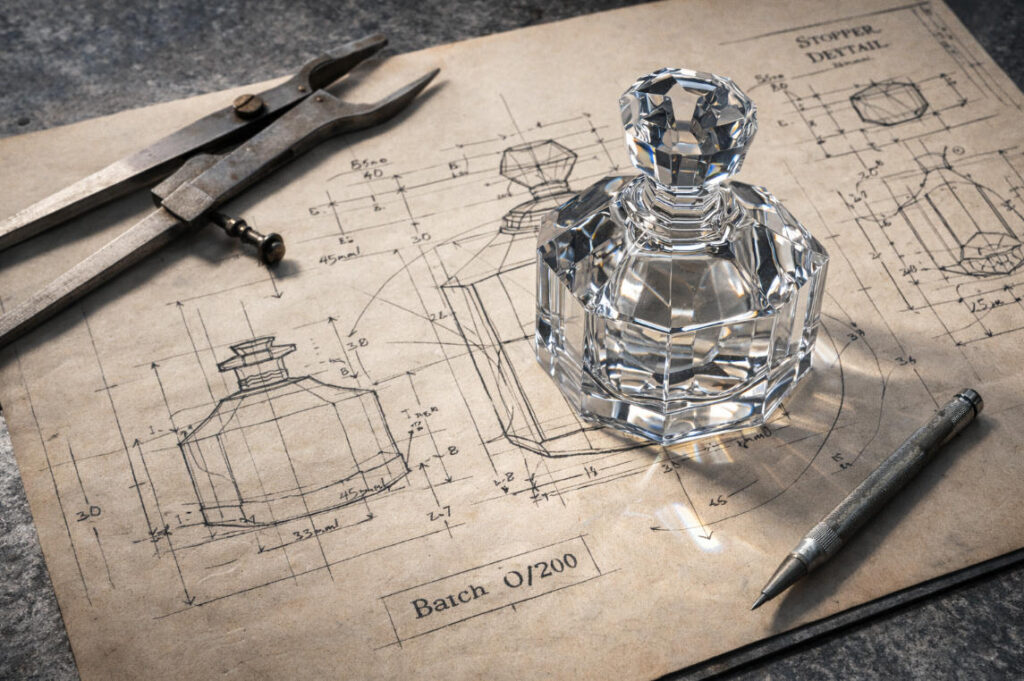
From a manufacturing standpoint, replicating heritage design requires investment in artistic development, not just industrial production.
Limited Production Strategy
Limited edition runs intentionally reduce supply. While this is partly a marketing strategy, it also reflects production reality. Handmade crystal simply cannot be scaled infinitely without losing quality.
Energy and Environmental Compliance Costs
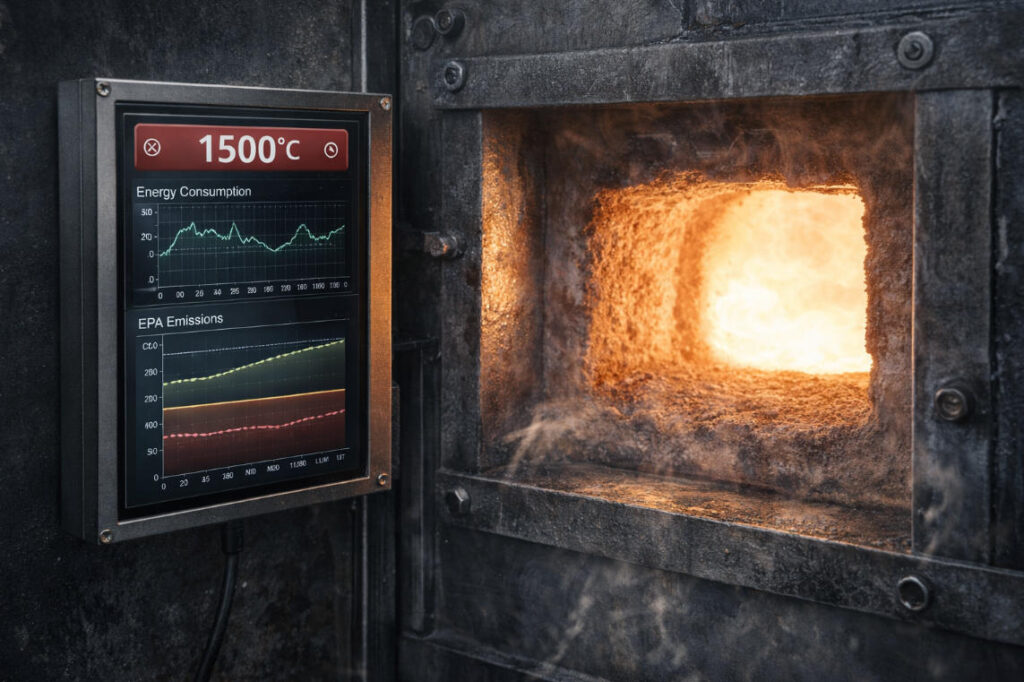
Crystal melting requires higher furnace temperatures. Higher temperature means higher energy consumption.
Additionally, environmental regulations related to emissions and lead content compliance require monitoring systems and reporting. Compliance standards referenced by the U.S. Environmental Protection Agency (EPA 2023) (link) add administrative and equipment costs.
These regulatory burdens increase operational overhead for crystal manufacturers compared to ordinary glass factories.
Natural Gemstone Crystal Bottles: Rose Quartz, Amethyst, and Solid Mineral Construction
Material Origin: Geological Formation vs. Industrial Melting
Beyond lead crystal, some vintage-style bottles are carved from natural mineral crystals such as rose quartz and amethyst. Unlike glass, these minerals are naturally formed over millions of years under geological pressure. According to International Mineralogical Association (IMA) (link), rose quartz and amethyst belong to the quartz family (SiO₂), making them chemically similar to glass but structurally unique.
Mining, extraction, and sorting of gemstone-grade blocks suitable for perfume bottles are expensive and labor-intensive. Only 20–30% of mined blocks typically meet structural and aesthetic standards.
Raw Material Cost: Block Yield and Waste Rate
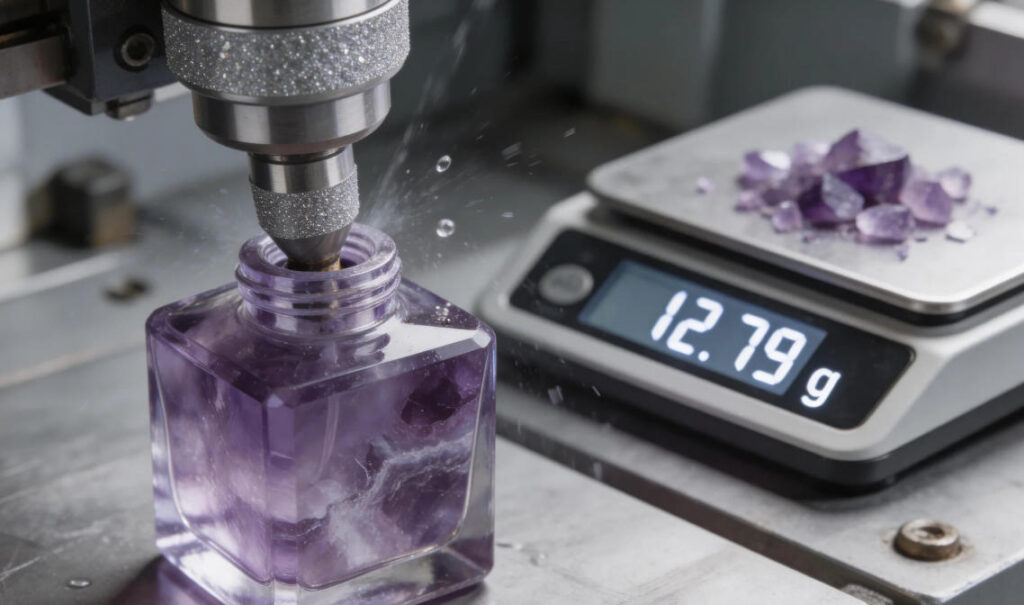
Solid gemstone production is subtractive. Carving a 100g finished amethyst bottle may require 250–400g of raw stone. Wastage is permanent, unlike crystal glass, which can be recycled. High-quality rose quartz or deep purple amethyst commands 3–5 times the cost of industrial crystal raw materials (GIA 2023) (link).
Processing Difficulty: Machining Solid Stone Is Not Glass Forming
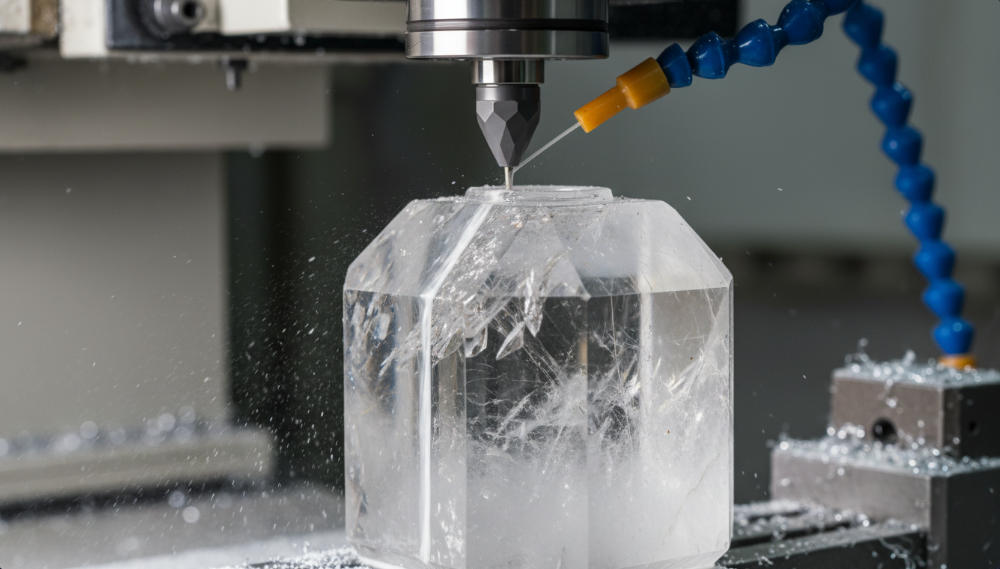
Quartz ranks 7 on the Mohs hardness scale, according to IMA standards (link). Machining requires diamond-coated tools, CNC stone machinery, and meticulous manual finishing. Hollowing a 30ml rose quartz bottle can take 3–5 hours (Stone Elf 2023 internal test), far longer than molding a glass bottle. Cracks may appear unexpectedly due to internal stresses, making production unpredictable.
Production Time and Labor Intensity
Each gemstone bottle is an individual project, requiring 6–12 hours of labor including rough shaping, hollowing, and progressive polishing with cerium oxide. Skilled operators must understand mineral grain, vibration control, and precision drilling—similar to jewelry craftsmanship. Yield rates average 60–75%, lower than glass crystal.
Structural Limitations and Logistics
Thicker walls are required to prevent cracking, increasing material usage. Threads for pumps or atomizers often need metal liners. Heavy weight (300–500g per 50ml bottle) raises shipping and packaging costs. From factory data, fully carved gemstone bottles cost 3–8 times more than comparable lead crystal bottles.
Market Appeal
Despite higher costs, natural gemstone bottles are unique. Color variation and natural patterning enhance exclusivity, supporting collector and luxury pricing. However, from a manufacturing perspective, the high price is justified primarily by material and technical challenges rather than marketing alone.
Practical Advice: Alternative Materials for Vintage Aesthetic
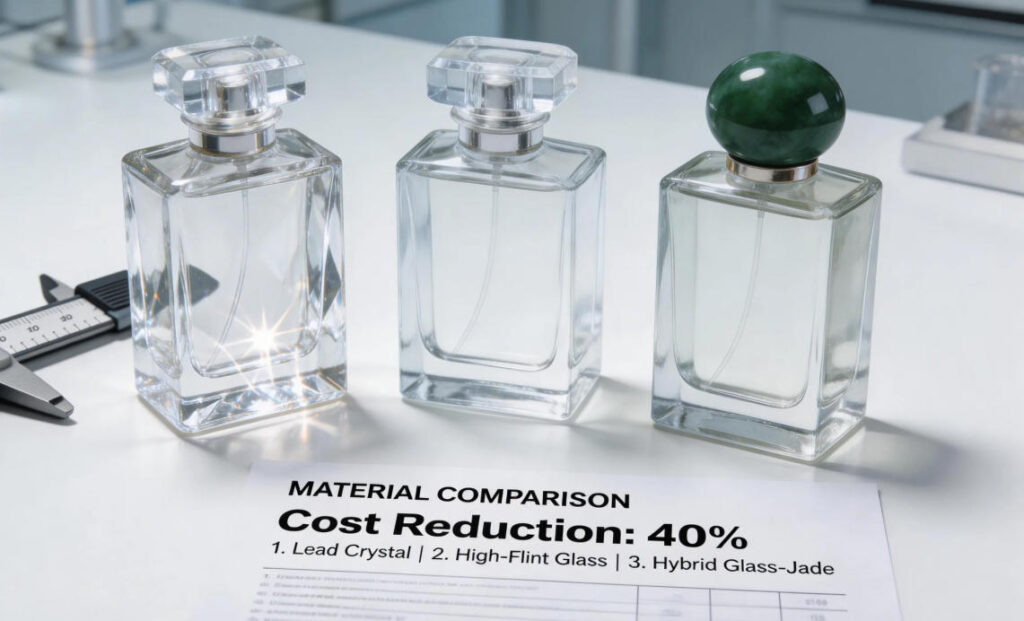
While crystal is prestigious, not all vintage-style designs require full lead crystal. Manufacturers may consider alternatives:
High-Flint Glass
High-flint glass offers clarity at lower cost, with yield rates above 90%, making it cost-efficient.
Borosilicate Glass
More durable and resistant to thermal shock. Less brilliant than crystal but better suited for scaled production.
Semi-Precious Stone Caps
Hybrid structures (glass bodies + stone caps such as jade or quartz) maintain a vintage aesthetic while controlling cost. Production data shows cost reduction of 25–40% versus full crystal construction.
Comparative Cost Summary from a Manufacturer’s Perspective
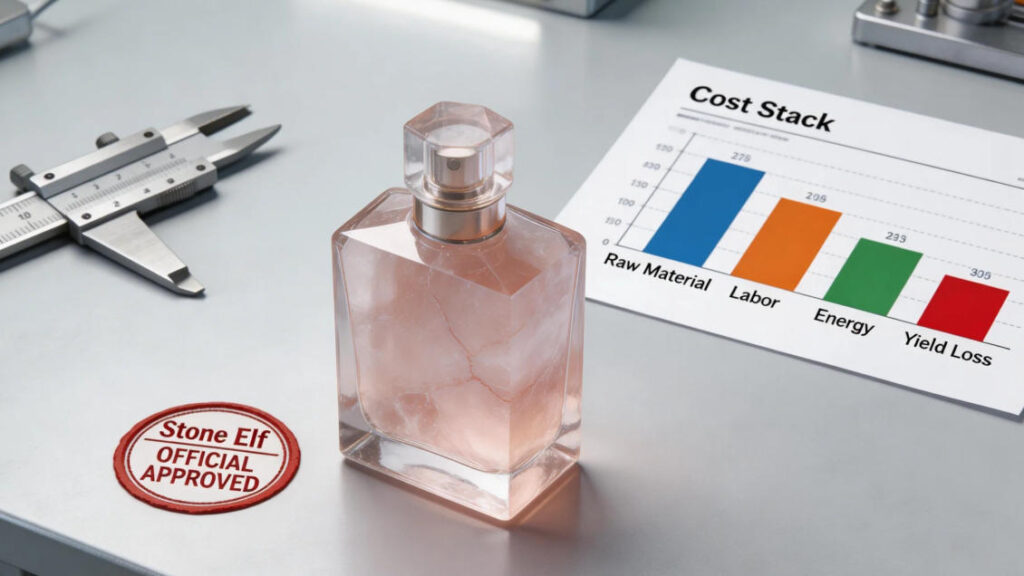
When analyzing the full cost stack:
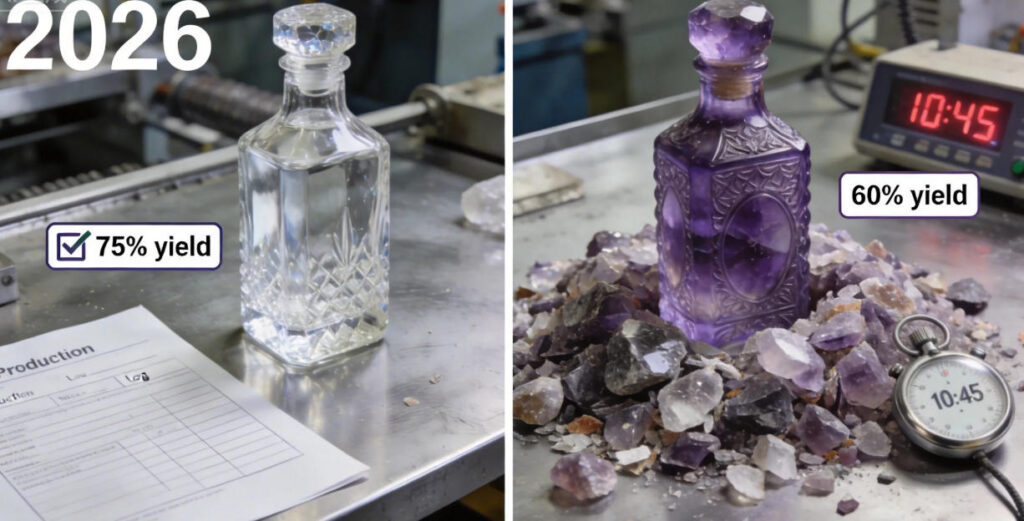
- Lead crystal glass: higher raw material cost, longer production cycles, moderate labor, 75–85% yield.
- Natural gemstone bottles: extremely high raw material cost, 6–12 hours labor per unit, lower yield (60–75%), heavy logistics cost.
These measurable industrial realities justify premium pricing beyond nostalgia.
Conclusion: Price Reflects Complexity, Not Just Nostalgia
A vintage crystal perfume bottle commands a higher price because it embodies more than visual beauty. Higher-grade raw materials, skilled craftsmanship, longer production time, lower yields, strict inspection, compliance requirements, and optional natural gemstone construction all contribute to cost.
From a manufacturer’s viewpoint, every price increase corresponds to real industrial inputs. Understanding these factors allows brand owners and collectors to make informed decisions when investing in vintage-inspired crystal or gemstone perfume bottles. At Stone Elf, transparency in production builds trust and appreciation for the intricate work behind each premium bottle.
