
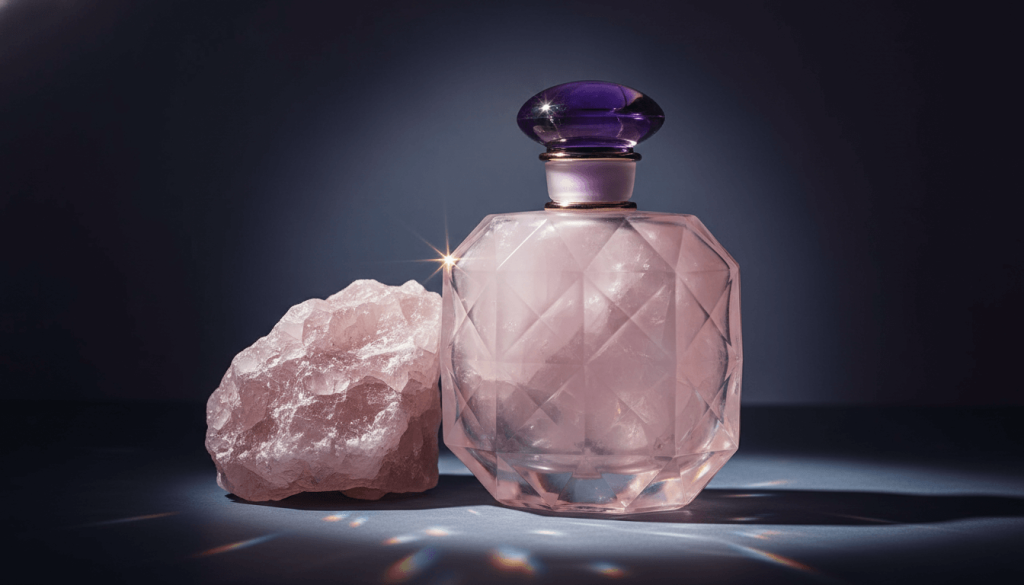
A crystal perfume bottle is far more than a fragrance container. It is a product where natural mineral material, mechanical precision, and handcrafted finishing meet. In the luxury fragrance and home décor markets, crystal perfume bottles have become a strong symbol of material authenticity, craftsmanship, and long-term value.
This article is written by the Stone Elf production editorial team. Stone Elf has over 10 years of hands-on manufacturing experience in crystal perfume bottles, gemstone caps, and stone home accessories. Our work covers raw stone sourcing, slab cutting, shape forming, drilling, polishing, and OEM customization for fragrance and lifestyle brands worldwide. All production insights shared here are based on real factory workflows, not theoretical descriptions.
In the following chapters, we explain the complete crystal perfume bottle production process step by step, using clear language and industry-proven logic, so that brand owners, designers, and buyers can fully understand how a beauty crystal perfume bottle is truly made.
Understanding the Crystal Perfume Bottle Market
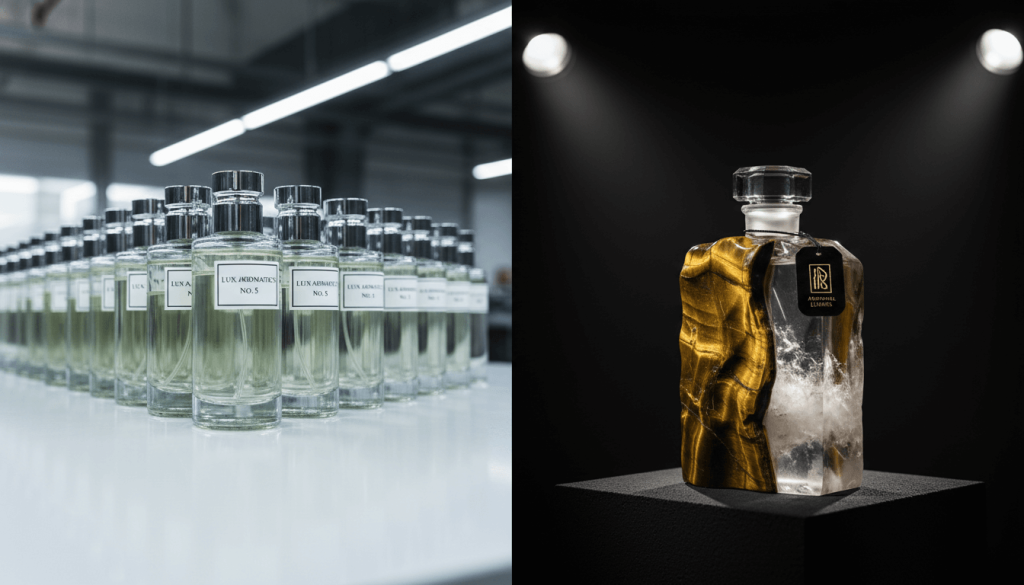
Why Crystal Perfume Bottles Are Used in Premium Fragrance Lines
In recent years, the fragrance industry has shifted from mass uniformity toward storytelling and material differentiation. Packaging is no longer just functional; it communicates brand values before the fragrance is even experienced.
A crystal perfume bottle naturally fits this trend. Unlike glass, crystal and gemstone materials carry visible natural patterns that cannot be replicated. This uniqueness creates emotional value and supports limited editions, collector products, and high-end gifting.
According to Grand View Research, the global luxury packaging market continues to expand, driven by premium materials and artisanal manufacturing rather than volume-based production
(https://www.grandviewresearch.com/industry-analysis/luxury-packaging-market).
Crystal Perfume Bottle vs Glass Bottle
Although crystal and glass bottles may appear similar in shape, their production logic is fundamentally different. Glass bottles rely on molds and molten material, allowing for rapid replication. Crystal perfume bottles, by contrast, are carved from solid stone.
From a production perspective, this means crystal bottles involve higher labor input, longer lead times, and greater material loss. However, they also offer stronger durability, higher perceived value, and a more tactile connection to natural materials.
Raw Stone Selection: The Starting Point of Quality
Common Stones Used for Crystal Perfume Bottles
At Stone Elf, raw stone selection is treated as the foundation of the entire crystal perfume bottle production process. Commonly used materials include jade, clear quartz, rose quartz, green aventurine, agate, and black obsidian.
Each stone type has different density, hardness, and internal structure. These characteristics directly affect cutting difficulty, drilling success rate, and polishing quality.
The Mohs hardness scale, widely used in geology and stone processing, is a key reference when evaluating material suitability
(https://www.britannica.com/science/Mohs-scale).
Visual Inspection and Structural Risk Assessment
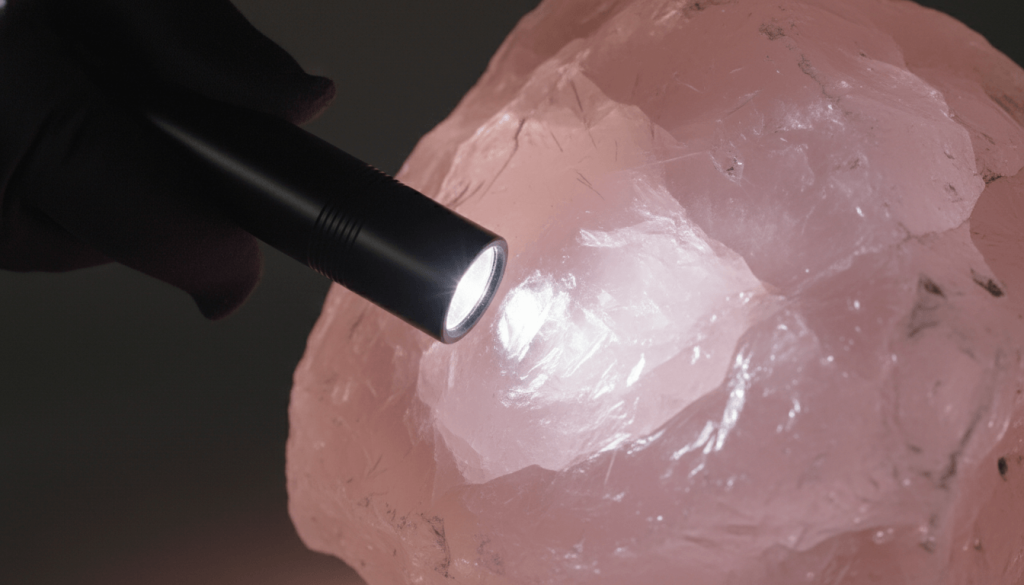
Before any cutting begins, raw stones are inspected for visible cracks, internal fractures, or unstable veins. In our production experience, stones with hidden structural weaknesses are the most common cause of failure during drilling.
Experienced workers often rely on both visual inspection and sound testing, lightly tapping the stone to detect internal inconsistencies. This step is simple but critical, and skipping it almost always leads to higher waste rates later in production.
Cutting Raw Stone into Suitable Slabs
Determining the Right Slab Thickness
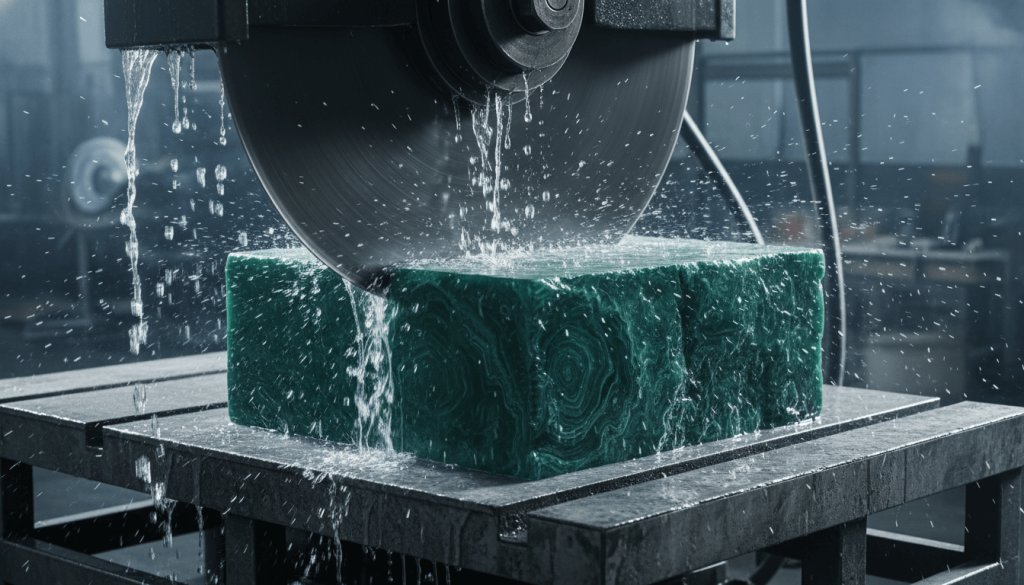
Once the raw stone passes inspection, it is cut into slabs of appropriate thickness. Slab thickness is not standardized but determined based on bottle height, cavity depth, and stone density.
At Stone Elf, incorrect slab thickness is one of the most common reasons for drilling failure in crystal perfume bottle production. Slabs that are too thin may crack during cavity drilling, while slabs that are too thick increase material waste and processing difficulty.
In most cases, slab thickness ranges between 12 mm and 25 mm, adjusted according to the final bottle design.
Stone Cutting Equipment and Cooling Control
Diamond blade saws are the industry standard for cutting gemstone slabs. According to Stone World Magazine, diamond tools remain essential for precision stone processing due to their stability and durability
(https://www.stoneworld.com).
Water cooling is applied continuously during cutting to prevent overheating. Excessive heat can weaken stone structure and create micro-cracks that may not appear until later stages.
Drawing the Bottle Outline on Stone Slabs
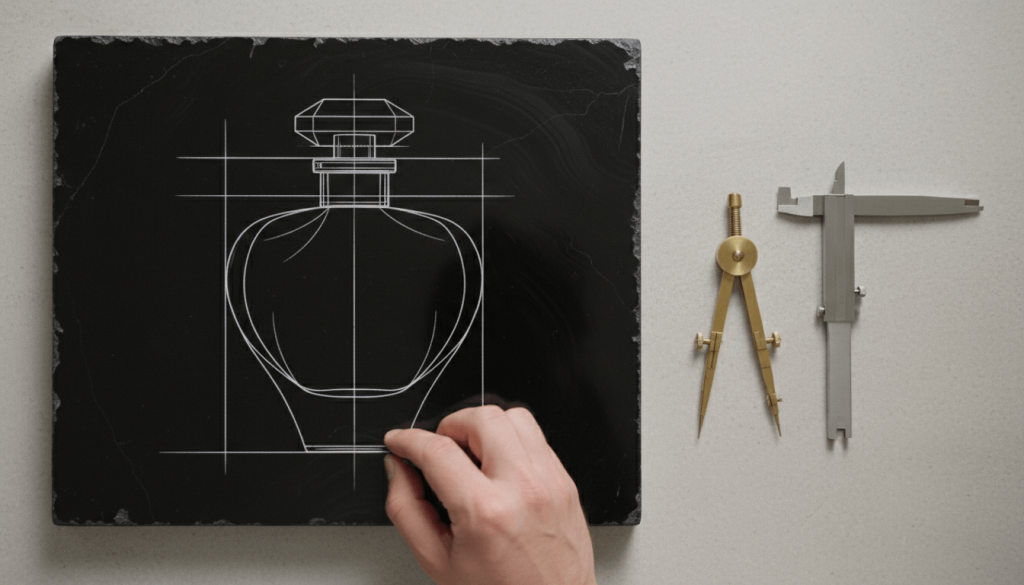
Translating Design into Physical Form
After slab preparation, the perfume bottle outline is drawn directly onto the stone surface. This outline defines the external shape of the crystal perfume bottle, including curves, shoulders, and base proportions.
Unlike glass mold design, this step requires spatial awareness and production experience. Designers must already consider internal cavity placement while drawing the external shape.
Ensuring Visual Balance and Symmetry
Symmetry is a critical aesthetic factor for perfume bottles. Even small deviations become obvious once the surface is polished.
For this reason, center lines and reference points are used to ensure both sides of the crystal perfume bottle remain balanced throughout the cutting and shaping process.
Cutting the Basic Bottle Shape
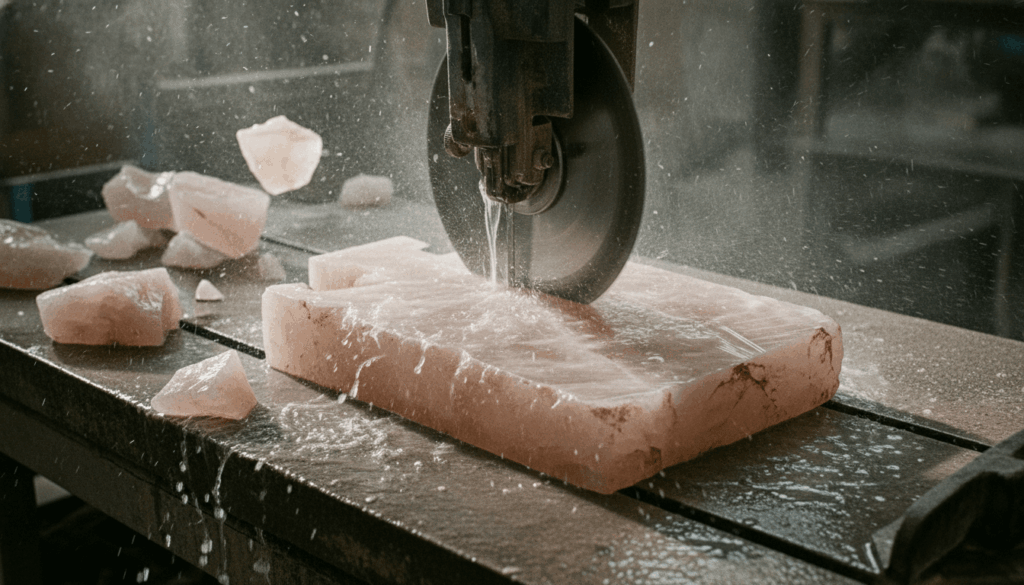
Rough Cutting the External Profile
Following the drawn outline, the stone slab is cut into a rough perfume bottle shape. This step removes excess material and establishes the basic form.
Diamond cutting wheels or band saws are typically used. Precision is important, but fine details are intentionally left for later grinding stages.
Managing Internal Stress During Cutting
Stone cutting introduces internal stress, particularly around curves and narrow areas. From our production experience, gradual cutting and smooth directional transitions significantly reduce the risk of unexpected fractures.
This stress-management approach improves yield rates and ensures structural stability in later steps.
External Shaping and Grinding
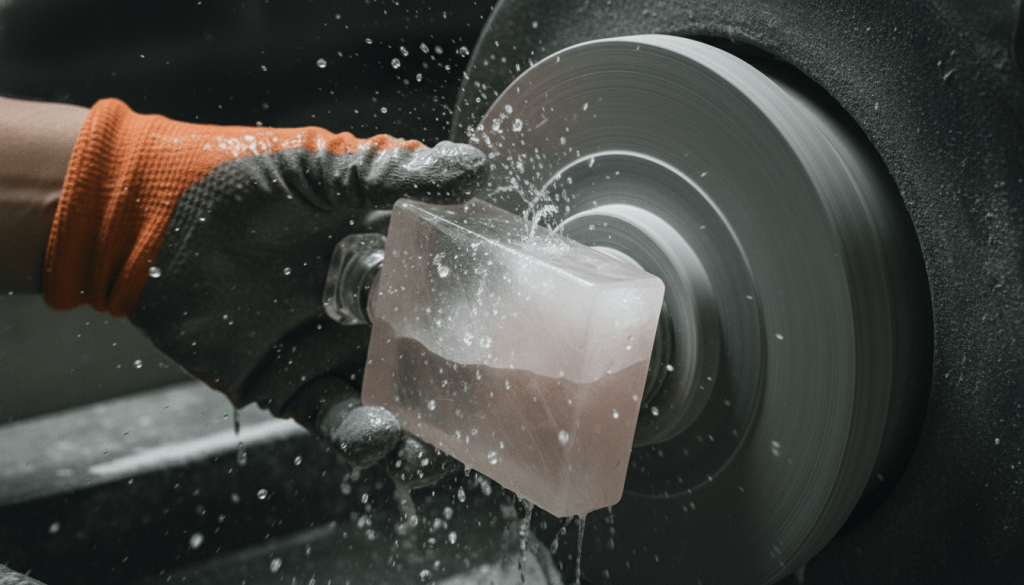
Step-by-Step Refinement of the Bottle Form
Once the rough shape is completed, external grinding begins. Grinding wheels with progressively finer grit levels are used to refine curves, edges, and surface smoothness.
Each stage removes marks left by the previous step. Rushing this process often results in uneven surfaces that are difficult to correct during polishing.
The Role of Skilled Craftsmanship
Although machines assist with shaping, human skill remains essential. Craftsmen continuously adjust pressure, angle, and contact points based on stone feedback.
This is why professionally made crystal perfume bottles display smoother transitions and more refined silhouettes compared to low-quality imitations.
Drilling the Internal Perfume Cavity
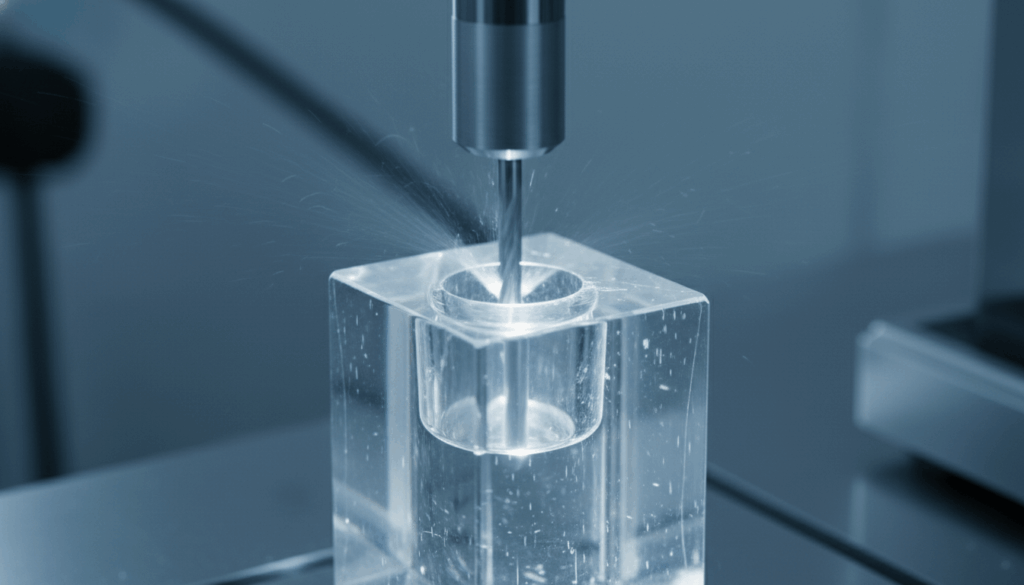
Creating the Inner Chamber
Drilling the internal cavity is one of the most critical stages in crystal perfume bottle production. A cylindrical drill bit is used to create the space that will hold the perfume.
Depth, diameter, and wall thickness must be carefully controlled. Any imbalance can lead to leakage, cracking, or poor weight distribution.
Cooling, Speed, and Stress Control
Water cooling is essential during drilling to prevent overheating. Drilling is performed slowly and often in multiple stages to release internal stress.
According to technical guidance from Lapidary Journal, slow drilling significantly increases success rates when working with natural stone
(https://www.lapidaryjournal.com).
In our factory workflow, external shaping is always completed before cavity drilling, ensuring better stability during this high-risk operation.
Processing the Bottle Neck and Opening
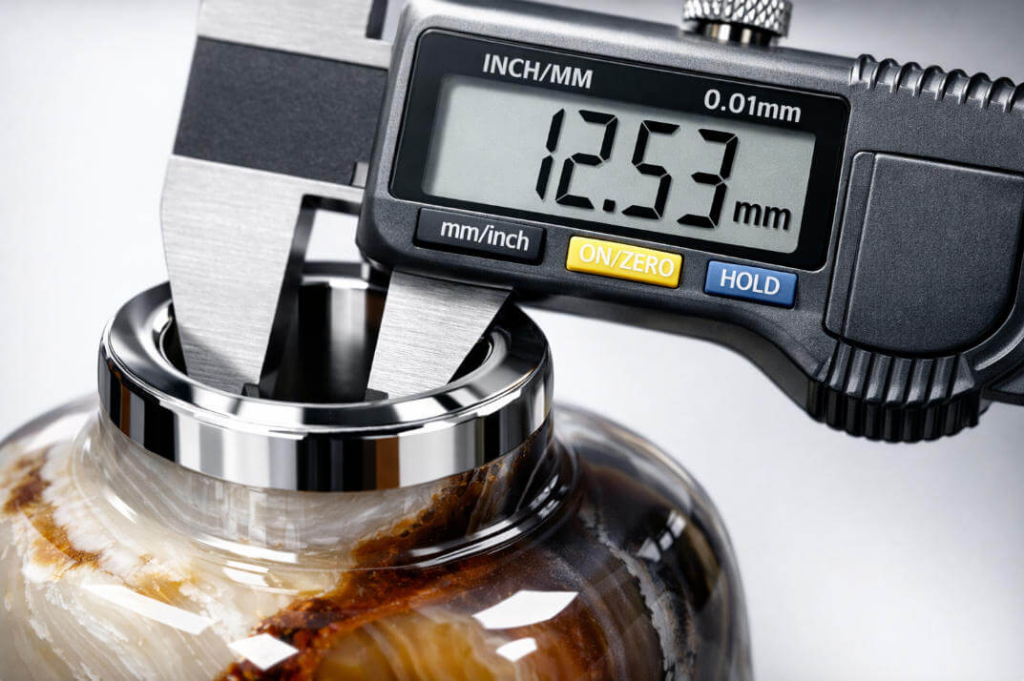
Precision for Cap Compatibility
The bottle opening must match the perfume cap or spray assembly precisely. Even minor tolerance errors can result in loose fittings or sealing issues.
At Stone Elf, test fittings with sample caps are performed during this stage to ensure compatibility before final polishing.
Manual Adjustment and Fine Grinding
After drilling, the neck area is refined through fine grinding. This improves both functional sealing and tactile comfort for end users.
Polishing: Vibratory Barrel or Hand Finishing
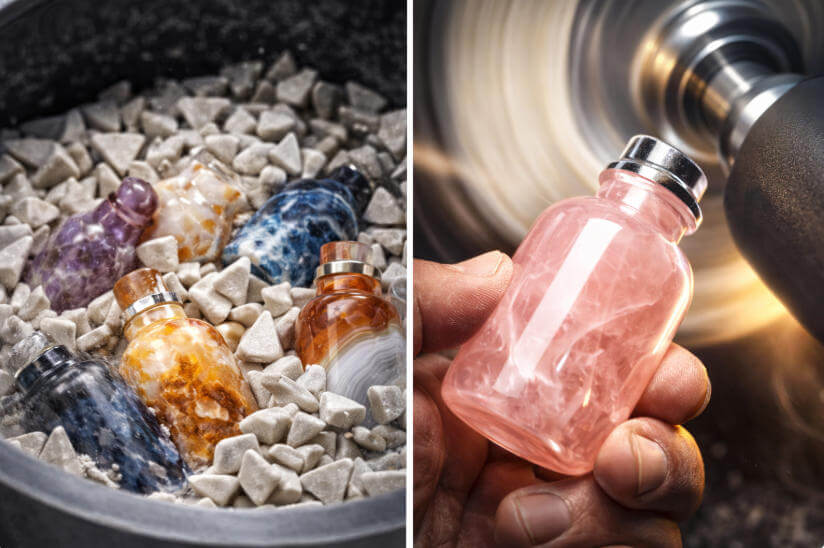
Vibratory Barrel Polishing Explained
Vibratory barrel polishing uses a drum-shaped machine filled with abrasive media. Through vibration and friction, the external surface of the crystal perfume bottle is gradually smoothed.
This method is effective for achieving uniform surface refinement, especially for medium-scale production runs.
Hand Polishing for Premium Results
For high-end or limited-edition crystal perfume bottles, hand polishing is often preferred. This process uses polishing compounds and soft wheels to achieve a deeper gloss.
Hand polishing allows better control of edges and highlights the natural crystal texture more vividly. It is chosen not because machines are insufficient, but because edge precision and reflective consistency require human judgment.
Final Inspection and Quality Control
Visual, Structural, and Fit Checks
Each finished crystal perfume bottle undergoes visual inspection under strong lighting. Surface scratches, uneven gloss, and micro-cracks are carefully examined.
Structural checks may include light tapping and test fitting with caps or internal components.
Cleaning and Packaging Preparation
Before packaging, bottles are thoroughly cleaned to remove polishing residue. Clean presentation is especially important in luxury packaging.
According to Packaging Europe, cleanliness and surface finish significantly influence perceived product value in premium packaging
(https://www.packagingeurope.com).
Sustainability and Responsible Stone Manufacturing
Material Efficiency and Waste Reduction
Natural stone is a finite resource. Responsible manufacturers aim to maximize material usage and reduce waste through optimized cutting layouts.
Stone Elf continuously improves slab planning to enhance material efficiency.
Environmental and Safety Considerations
Water recycling systems and dust control equipment are increasingly used in stone workshops to reduce environmental impact and improve worker safety.
The Natural Stone Institute provides industry guidelines for sustainable stone processing
(https://www.naturalstoneinstitute.org).
Important Product Scope and Responsibility Statement
Crystal perfume bottles discussed in this article are intended for packaging and decorative purposes only. Any cultural or symbolic associations of crystal materials are not presented as scientific or medical claims.
Due to the natural variation of stone, each crystal perfume bottle may show slight differences in color or internal pattern. These variations are normal characteristics of genuine stone products and should be considered part of their natural beauty.
Final Thoughts from Stone Elf
The production of a crystal perfume bottle is a meticulous process that combines natural materials, mechanical precision, and skilled craftsmanship. From raw stone selection to final polishing, each step requires experience, patience, and respect for the stone.
At Stone Elf, we believe a crystal perfume bottle is not simply packaging, but a long-lasting object that connects fragrance, touch, and visual beauty. Understanding how it is made allows brands and buyers to appreciate its true value and make informed decisions.
